
Shipping a car internationally requires careful planning, especially when transporting a vehicle from the United Kingdom to Namibia. One of the most important decisions is choosing the right shipping method. Many vehicle owners consider container transport because it offers protection, security, and flexibility. However, whether it is the best option depends on your budget, vehicle type, shipping schedule, and personal requirements.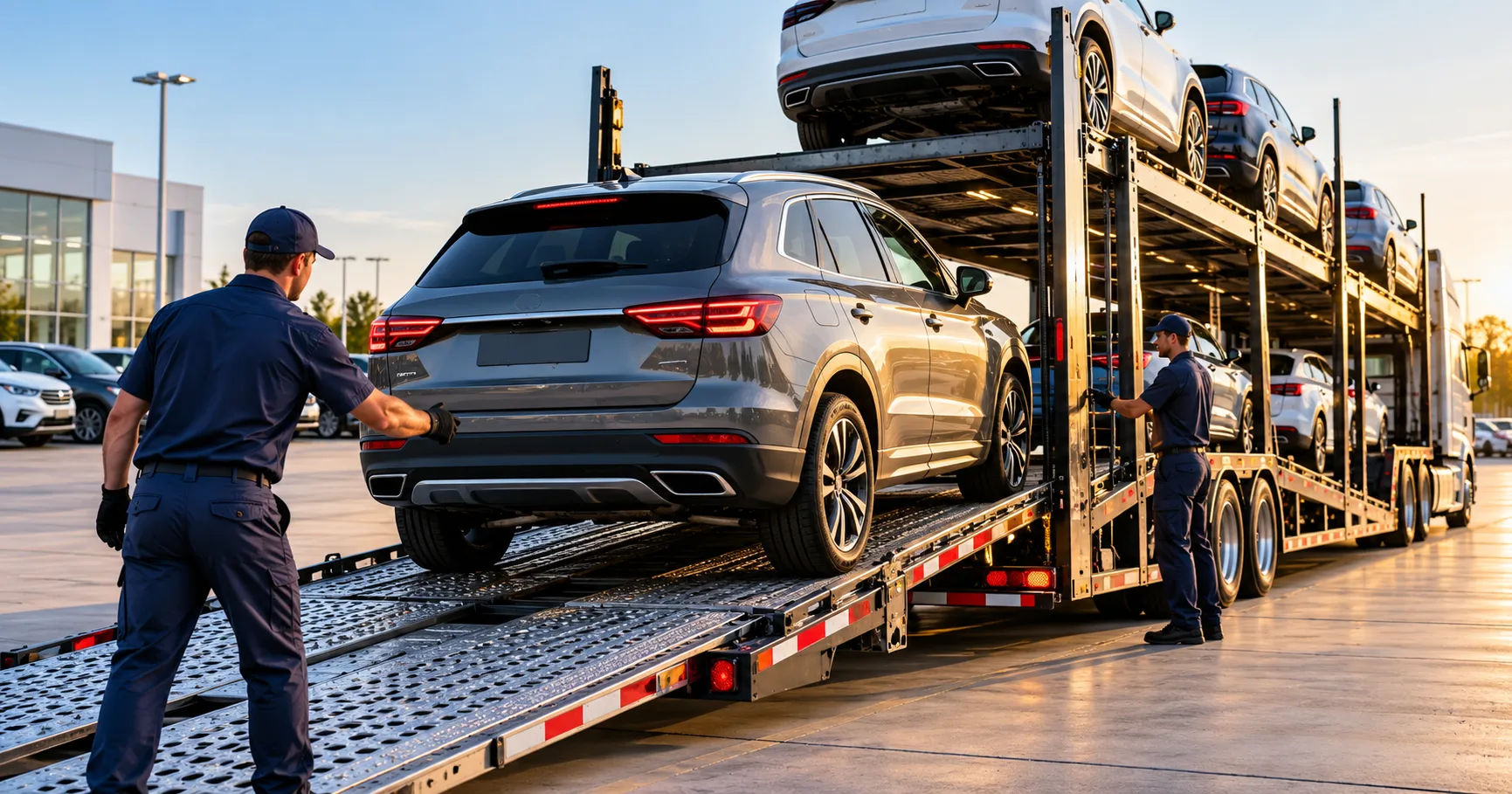
Car shipping from UK to Namibia can be arranged through several methods, including container shipping and Roll-on/Roll-off (RoRo) shipping. Each option has different advantages, costs, and limitations. Understanding these differences can help you choose a practical solution that protects your vehicle while keeping transportation expenses under control.
This comprehensive guide explains how container shipping works, why it may be suitable for your vehicle, how it compares with other shipping methods, and what you should know about customs, documentation, costs, and delivery in Namibia.
Container Shipping for Cars
Car shipping from UK to Namibia involves placing a vehicle inside a large steel shipping container before transporting it by sea. The container is loaded onto a cargo vessel and carried from a UK port to a destination port in Namibia, subject to the shipping service and route available.
Vehicles are generally secured inside the container using suitable restraints and wheel chocks to reduce movement during transit. Depending on the container size and arrangement, one vehicle may be shipped alone or multiple vehicles may be transported together.
How the Container Shipping Process Works
The process usually begins with obtaining a quotation from an international vehicle shipping company. You provide details about your car, including its make, model, dimensions, weight, running condition, and collection location.
The shipping company then recommends an appropriate container size and explains the available services. Depending on your arrangement, the vehicle may be collected from your home, delivered to a warehouse, or taken to a designated UK loading facility.
Before loading, the car is inspected and photographed. It is then positioned inside the container and secured for transportation. After the container is sealed, it is moved to the departure port and loaded onto a vessel.
When the shipment reaches Namibia, the container must pass through the relevant port, customs, and release procedures before the vehicle can be collected or delivered to its final destination.
Why Container Shipping May Be the Best Choice
Container transport can be an excellent option for owners who want additional protection and control over how their vehicles are transported. However, its benefits should be considered alongside its costs and practical requirements.
1. Better Protection from Weather and External Exposure
One of the main advantages of container shipping is that the car remains enclosed during the sea journey. Unlike vehicles transported on open vehicle decks, a car inside a container is shielded from direct exposure to rain, sea spray, wind, and much of the surrounding port environment.
This protection can be particularly valuable when shipping a recently purchased vehicle, a classic car, or a vehicle with a high-quality paint finish.
However, an enclosed container does not eliminate every risk. Improper loading, poor securing, moisture inside the container, and handling incidents can still cause damage. Professional preparation and appropriate cargo protection remain essential.
2. Greater Privacy and Security
A vehicle transported inside a sealed container is less visible to people outside the shipping process. This can provide peace of mind when shipping an expensive vehicle or one containing valuable accessories.
Container shipping also allows the vehicle to be secured within a defined cargo space. Nevertheless, it should not be considered completely theft-proof.
You should remove valuables and personal belongings unless the shipping company and applicable customs rules explicitly permit them. Confirm the company's security procedures and arrange appropriate marine cargo insurance.
3. Suitable for Luxury and Classic Vehicles
Luxury cars, vintage vehicles, sports cars, and collector models often require additional care during international transportation. Owners may prefer container shipping because the vehicle is enclosed and can be secured according to its specific requirements.
For a classic car, preserving the paintwork, interior, and original components may be especially important. Container transport can provide a suitable environment when loading and moisture-control procedures are handled correctly.
Owners should discuss ground clearance, vehicle dimensions, loading ramps, and any special handling requirements before booking.
4. Flexibility for Non-Running Vehicles
Container shipping may accommodate vehicles that cannot drive onto a vessel, provided the shipping company has the necessary loading equipment and accepts the vehicle's condition.
A non-running car may require a winch, forklift arrangement, specialist loading equipment, or additional labour. These services can increase the overall price.
Always disclose mechanical problems before requesting a quote. A vehicle that cannot start, steer, or brake may require different arrangements from an ordinary working car.
5. Potential for Shipping Additional Approved Cargo
Depending on the shipping company's policies, container arrangements may offer space for certain additional goods. This can sometimes be useful when transporting a vehicle alongside approved equipment or parts.
However, adding personal effects is not automatically permitted. Customs restrictions, insurance conditions, container weight limits, and shipping company rules may apply.
For this reason, ask for written confirmation before placing anything else inside the container.
Container Shipping vs. RoRo Shipping
Although container transport offers several benefits, it is not necessarily the best choice for every vehicle owner. Roll-on/Roll-off shipping is another common international vehicle transportation method.
With RoRo shipping, a vehicle that meets the operator's requirements is driven onto a specialised vessel, secured in a designated vehicle area, and driven off at the destination.
Main Differences Between the Two Methods
Container shipping is generally preferred when additional enclosure, privacy, or specialised handling is important. It can also be suitable for certain non-running vehicles when the necessary equipment is available.
RoRo shipping is often attractive for standard, operational vehicles because it can be a straightforward and economical transport option. However, availability depends on the route, sailing schedule, vehicle eligibility, and destination port arrangements.
| Feature | Container Shipping | RoRo Shipping |
|---|---|---|
| Weather exposure | Vehicle is enclosed | Vehicle is generally transported in a vehicle deck |
| Privacy | Greater enclosure | Vehicle is more accessible within the shipping process |
| Typical cost | Often higher | Often more economical |
| Non-running vehicles | Possible with suitable equipment | Often restricted or subject to special arrangements |
| Loading requirements | Container loading and securing | Vehicle must meet operator loading requirements |
| Additional cargo | Subject to approval and restrictions | Generally more limited |
| Best suited for | Valuable, specialist, or carefully prepared vehicles | Eligible, operational vehicles |
The final cost difference depends on the route and services included. It is important to compare complete quotations rather than assuming one method will always be cheaper.
How Much Does Car Shipping from the UK to Namibia Cost?
The cost of shipping a vehicle internationally depends on several factors. There is no single price that applies to every shipment because vehicles differ in size, value, condition, and collection requirements.
Factors That Affect Shipping Costs
Vehicle size and weight: Larger vehicles, including SUVs and pickup trucks, may require more container space or specialised loading arrangements.
Shipping method: A dedicated container may cost more than sharing a container with another suitable vehicle. RoRo transport may be cheaper when an appropriate service is available.
Collection and delivery: Transporting the car from a location far from the UK departure port can increase the total price. Delivery from the Namibian port to another town also adds expense.
Port and handling fees: Terminal handling, documentation, loading, unloading, and other port-related charges may be included in the quotation or charged separately.
Insurance: Marine cargo insurance can increase the initial cost but may provide important financial protection against covered losses.
Customs and taxes: Import duties, value-added tax, administrative fees, and other applicable charges can significantly affect the final amount payable in Namibia.
How to Obtain an Accurate Quote
Request written quotations from several international vehicle shipping companies. Provide the same information to each provider so that their prices can be compared fairly.
Ask whether the quote includes collection, export documentation, container loading, ocean freight, insurance, destination handling, and customs clearance.
Also confirm whether the company charges extra for storage, inspections, port delays, or delivery beyond the destination port.
A low initial quotation may not represent the cheapest overall service if several important charges are excluded.
Choosing the Right UK Departure Port
The best departure port depends on where your vehicle is located and which shipping services are available.
Vehicles collected in southern England may have convenient access to major ports such as Southampton or London Gateway. Other UK ports may be suitable depending on the freight operator, shipping schedule, and intended route.
The important point is not simply to choose the nearest port. You should compare the cost of transporting the vehicle to that port with the available ocean freight services.
Check the Shipping Route
Do not assume that a vessel will travel directly from the UK to Namibia. Depending on the service, the shipment may involve transshipment at another port.
Ask the shipping company about the expected transit time, planned routing, sailing frequency, and whether the quoted schedule includes possible connections.
The overall journey also includes collection, export processing, port waiting time, arrival handling, and customs clearance. Therefore, the ocean voyage duration is not the same as the total door-to-door delivery time.
Shipping a Car to Namibia: Customs and Import Requirements
Selecting the shipping method is only one part of the process. You must also establish whether the vehicle is eligible for import into Namibia and what documentation is required.
Import requirements can vary according to the vehicle's age, condition, origin, intended use, and the importer's circumstances. Rules may also change, so confirm the current requirements with the relevant Namibian authorities or a qualified customs clearing agent before arranging transport.
Documents You May Need
Depending on your circumstances, the documents may include:
-
Original vehicle registration or ownership documents.
-
Purchase invoice or other evidence of the vehicle's value.
-
Passport or other accepted identification.
-
Shipping instructions and bill of lading.
-
Export documentation required in the UK.
-
Import permits or authorisations, where applicable.
-
Customs declarations and supporting paperwork.
-
Evidence of insurance, if required for the relevant stage of transport.
The exact list should be confirmed before the vehicle leaves the UK. Missing paperwork can lead to delays, additional storage costs, or difficulties obtaining customs release.
Import Duties and Taxes
Namibian customs authorities determine the applicable import duties and taxes according to the relevant legislation and classification of the vehicle.
The amount payable may depend on the vehicle's customs value, origin, type, and applicable tariff treatment. Freight and insurance may also affect the customs valuation under the rules that apply.
Do not rely solely on a shipping company's informal estimate. Request a written breakdown from a customs clearing agent familiar with vehicle imports into Namibia.
Right-Hand-Drive and Vehicle Eligibility
The UK and Namibia generally use right-hand-drive vehicles, but that does not mean every vehicle can automatically be imported.
Check the current vehicle eligibility rules, technical requirements, registration conditions, and any restrictions that apply to your specific car. If the vehicle is a left-hand-drive model, imported for personal use, or intended for resale, obtain advice before shipping.
Confirming eligibility in advance is especially important because shipping a vehicle that cannot be cleared or registered may create substantial financial problems.
Preparing Your Vehicle for Container Shipping
Good preparation helps reduce avoidable delays and damage. Follow the shipping company's specific instructions because requirements can vary by carrier and destination.
Clean and Inspect the Vehicle
Clean the exterior and interior before the initial inspection. This makes it easier to document the vehicle's condition and identify existing scratches, dents, or other damage.
Take clear photographs of the exterior, interior, wheels, windscreen, dashboard, and odometer. Keep copies of these images and the inspection report.
If any damage occurs during transport, this documentation may help support an insurance claim, subject to the policy's terms.
Remove Personal Belongings
Remove loose items, valuables, and unnecessary accessories. Personal belongings inside a vehicle may be prohibited or may require separate declaration.
Do not assume that spare parts, tools, electronics, or household goods can be transported with the car. Ask the shipping company and customs agent for written guidance.
Check Mechanical Condition
Inform the shipper about any mechanical issues, fluid leaks, battery problems, or special starting procedures.
Follow instructions concerning fuel levels, battery isolation, alarms, and other safety requirements. Do not disconnect components or modify the vehicle without confirming what the carrier requires.
Arrange Insurance
Shipping companies may offer different levels of liability coverage, but their standard liability may not fully cover the vehicle's value.
Ask about marine cargo insurance, exclusions, deductibles, valuation methods, and the process for reporting damage. Make sure the policy covers the actual route and relevant stages of handling.
How to Choose a Reliable Vehicle Shipping Company
The shipping company plays a major role in the safety and smooth handling of your vehicle. A reliable provider should explain the process clearly and provide written terms.
Check Experience and References
Look for companies with experience in international vehicle shipping and a clear understanding of UK export procedures and Namibian import requirements.
Check independent customer reviews, business details, and evidence of relevant insurance. Ask whether the company manages the shipment directly or works through other agents.
Request a Detailed Written Quote
The quotation should identify the shipping method, departure port, destination port, estimated transit schedule, included services, and excluded charges.
Ask how delays are handled and who will contact you if the vessel schedule changes. You should also know who is responsible for destination handling and customs coordination.
Confirm Container Loading Arrangements
If container shipping is your preferred option, establish whether your vehicle will be shipped in a dedicated container or a shared container.
Ask how the vehicle will be secured, whether the loading facility provides photographs, and whether any additional charges apply to vehicles that cannot drive.
A professional provider should answer these questions clearly rather than making vague promises.
Common Mistakes to Avoid
Choosing Only by Price
The cheapest quotation may exclude important services or provide insufficient clarity about destination charges. Compare the complete cost, including customs clearance, handling, inland transport, and insurance.
Ignoring Import Restrictions
Do not ship the vehicle until you have confirmed that it can legally enter Namibia and meet the applicable requirements. This is especially important for older vehicles, unusual models, and vehicles with uncertain ownership documentation.
Underestimating Delivery Time
International shipping schedules can change because of vessel availability, transshipment, weather, port congestion, or customs inspections.
Avoid making fixed travel or registration plans until you understand the expected timeline and possible delays.
Forgetting Destination Charges
A shipment that appears affordable in the UK may become more expensive when it arrives in Namibia. Ask for an itemised estimate of destination charges before booking.
Is Container Shipping Worth the Extra Cost?
Container shipping is worth considering when the benefits of an enclosed transport arrangement justify the additional expense. This is often the case for high-value cars, classic vehicles, specialist models, or vehicles requiring particular loading arrangements.
For an ordinary car in good running condition, RoRo shipping may offer better value if an appropriate route is available and the operator accepts the vehicle.
The right decision should be based on the car's value, condition, size, import eligibility, budget, and the services available on your preferred route.
Consider both the financial cost and the level of protection you need. Paying more for a container does not guarantee a damage-free journey, but choosing an experienced provider and preparing the vehicle correctly can help reduce avoidable risks.
Conclusion
Container shipping can be an excellent option for transporting a car from the United Kingdom to Namibia, particularly when protection, privacy, and specialised handling are important. Its enclosed design offers advantages for valuable vehicles, classic cars, and certain non-running models, provided the carrier can accommodate their requirements.
However, it is not automatically the best method for every shipment. RoRo transport may be a more economical alternative for eligible, operational vehicles, especially when a suitable sailing is available.
Before making your decision, compare written quotations, confirm the vehicle's import eligibility, check Namibian customs requirements, and calculate the full cost from collection in the UK to release and delivery in Namibia. Pay particular attention to insurance, destination fees, documentation, and the expected shipping schedule.
Ultimately, the best approach to Car shipping from UK to Namibia is to select a shipping method that matches your vehicle and budget while ensuring that every legal, logistical, and insurance requirement is addressed. With careful planning and a reliable shipping company, you can make the transportation process more predictable and reduce the risk of unexpected expenses.