
Carpets make a home or workplace feel comfortable, welcoming, and attractive. However, they also collect dirt, dust, spills, and stains through everyday use. From accidental coffee spills to muddy footprints and stubborn food marks, some stains can become difficult to remove with ordinary household cleaning products. When these marks settle deep into carpet fibres, professional treatment may be necessary to restore the carpet's original appearance.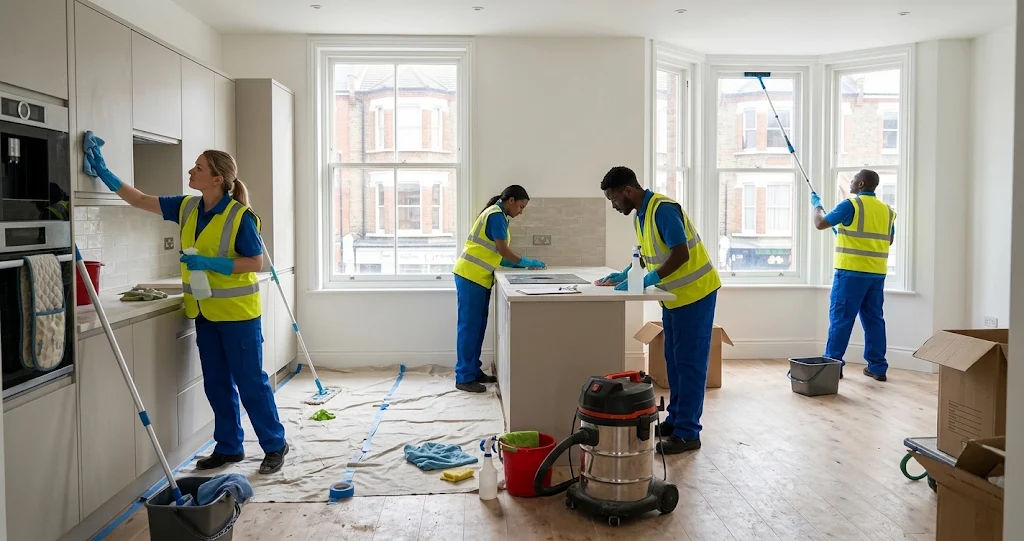
Many homeowners wonder whether professional cleaning can deal with stains that have been present for weeks or even months. The good news is that carpet cleaning Birmingham services can remove many tough stains using specialised equipment, suitable cleaning solutions, and professional techniques. Although some stains require several treatments, professional cleaners have methods designed to break down different types of dirt without unnecessarily damaging carpet fibres.
Understanding how professional carpet cleaning works can help you choose the right treatment, protect your flooring, and achieve better results. This comprehensive guide explores the types of stubborn stains that professional cleaners can tackle, the techniques they use, and what homeowners should expect from the cleaning process.
Why Some Carpet Stains Are Difficult to Remove
Not every carpet stain responds to ordinary cleaning methods. Some spills remain close to the surface, while others penetrate deep into the fibres and reach the carpet backing.
The longer a stain remains untreated, the more difficult it can become to remove. Certain substances also contain dyes, oils, proteins, or chemicals that attach themselves to carpet fibres.
How Stains Settle Into Carpet Fibres
Carpets contain thousands of individual fibres that can trap liquids and solid particles. When a drink spills, the liquid can travel through the carpet before drying.
As moisture evaporates, the remaining substances can become concentrated within the fibres. This may leave visible discolouration or unpleasant smells.
Some stains also spread when people walk over them or rub them during cleaning attempts.
Why Household Cleaning Products Sometimes Fail
Household cleaning products are useful for everyday maintenance, but they are not suitable for every type of stain.
Using the wrong product can make a stain worse. For example, strong chemicals may affect carpet colours, while excessive water can push dirt deeper into the material.
Professional cleaners understand how different carpet materials react to cleaning solutions. They select treatments according to the stain, fibre type, and overall carpet condition.
What Types of Tough Stains Can Professional Carpet Cleaning Remove?
Professional cleaning services can address many common household and commercial carpet stains. However, results depend on the substance involved, how long it has been present, and whether previous cleaning attempts have affected the fibres.
Coffee and Tea Stains
Coffee and tea spills are among the most common carpet problems. These drinks contain natural colour compounds that can leave noticeable brown marks.
Fresh spills are generally easier to remove because the liquid has not completely settled into the fibres.
Professional cleaners use suitable stain treatments to loosen the residue before extracting it. They may also apply specialised solutions to reduce remaining discolouration.
Old coffee stains can be more challenging, particularly when previous attempts have spread the affected area.
Red Wine Stains
Red wine can leave dark, noticeable marks that are difficult to remove using ordinary household methods.
Its natural pigments can attach themselves to carpet fibres, especially when the liquid dries before treatment.
Professional cleaning can help break down these pigments and remove remaining residue. However, older stains may require targeted stain treatment before general carpet washing begins.
Mud and Soil Stains
Mud enters carpets through shoes, pets, and outdoor activities. When wet mud is rubbed into carpet fibres, it can spread across a larger area.
Allowing mud to dry before carefully removing loose particles can make initial treatment easier.
Professional cleaners use vacuuming, appropriate cleaning solutions, and extraction equipment to remove embedded soil. This helps restore the carpet's appearance without spreading the dirt further.
Pet Urine and Organic Stains
Pet accidents can create more than visible stains. Urine may penetrate the carpet backing and underlay, creating persistent unpleasant smells.
Ordinary surface cleaning may remove the visible mark without addressing the deeper contamination.
carpet cleaning Birmingham cleaners can use specialised treatments, including enzyme-based products where appropriate, to break down organic residues.
Severe contamination may require additional treatment of the carpet backing or underlay. In some cases, replacement of affected materials may be necessary.
Grease and Oil Stains
Grease and oil stains can be particularly difficult because these substances do not dissolve easily in water.
They may come from food, cosmetics, machinery, or everyday household activities.
Professional cleaners use suitable degreasing products to loosen oily deposits. They then extract the dissolved residue using appropriate equipment.
The treatment must be carefully selected because certain solvents and cleaning agents can damage delicate fibres or carpet backing.
Professional Techniques Used to Remove Tough Carpet Stains
Different stains require different cleaning methods. Professional cleaners assess the carpet before deciding which technique is most appropriate.
The objective is to remove as much contamination as possible while protecting the carpet's texture, colour, and structure.
Hot Water Extraction
Hot water extraction is one of the most widely used professional carpet cleaning methods.
It involves applying a suitable cleaning solution, followed by hot water and powerful extraction equipment. The machine removes loosened dirt, cleaning solution, and moisture from the carpet.
This method is particularly useful for removing:
-
Embedded dirt and dust.
-
Food and drink residues.
-
General household stains.
-
Certain pet-related contaminants.
-
Accumulated oils and everyday grime.
The water temperature, pressure, and cleaning solution must be adjusted according to the carpet material.
Low-Moisture Cleaning
Low-moisture cleaning uses specialised products and equipment to clean carpets without soaking them.
This approach can be suitable for certain commercial environments and carpets that need relatively quick drying.
Cleaning compounds help loosen dirt, which is then collected through specialised equipment.
It may be particularly useful when excessive moisture is undesirable, although its ability to remove deep contamination depends on the carpet and stain.
Targeted Spot Treatment
Targeted spot treatment focuses on specific areas rather than cleaning the entire carpet immediately.
A professional identifies the stain and applies a suitable solution to break down the unwanted substance.
Different products are used for different contaminants. For example, protein-based stains may require a different treatment from oily marks.
This approach is useful for isolated stains that need additional attention.
Encapsulation Cleaning
Encapsulation cleaning uses specialised cleaning products that surround dirt particles and form a residue that can be removed through vacuuming.
It is commonly used for routine maintenance, especially in commercial settings.
Although it can improve the appearance of carpets and remove certain stains, it may not be sufficient for heavily contaminated areas.
How Professional Carpet Cleaning Birmingham Handles Different Stains
Every carpet cleaning project begins with an assessment. A professional cleaner needs to understand the carpet material, the type of contamination, and the condition of the affected area.
Reliable carpet cleaning Birmingham providers do not simply apply the same product to every stain. They adjust their approach according to the specific cleaning requirements.
Initial Carpet Inspection
The first step involves examining the carpet for visible stains, worn sections, colour changes, and existing damage.
The cleaner may ask how long the stain has been present and whether household cleaning products have already been used.
This information helps identify possible risks and determine the most appropriate treatment.
Identifying the Stain Type
Identifying the substance is essential because different stains react differently to cleaning products.
A water-based stain may respond well to a suitable water-based treatment. An oily stain may require a specialised solvent or degreasing solution.
Some stains, including permanent dyes and certain chemical marks, can be extremely difficult to remove completely.
Choosing Suitable Cleaning Products
Professional cleaners select cleaning products based on the carpet's fibre type and the nature of the stain.
Wool, synthetic fibres, and delicate carpets may require different treatments.
Using an unsuitable product can cause colour fading, fibre damage, or unwanted texture changes.
Professional assessment helps reduce these risks.
Deep Cleaning and Extraction
After treating individual stains, the cleaner may perform a wider cleaning process.
This helps remove loosened contamination from the surrounding carpet and reduces the chance of leaving cleaning product residue behind.
The method used depends on the carpet's condition and the manufacturer's care recommendations.
Can Old and Dried Carpet Stains Be Removed?
Old stains are often more challenging than fresh spills, but they are not necessarily impossible to remove.
When a stain dries, its remaining particles can become attached to carpet fibres. Some substances may also cause permanent colour changes.
Professional cleaning can improve the appearance of many older stains, although complete removal cannot always be guaranteed.
Why Older Stains Need Special Treatment
Older stains may have been exposed to heat, sunlight, moisture, and repeated foot traffic.
These factors can make the affected area more difficult to treat.
Previous cleaning attempts can also complicate the process. For example, applying excessive detergent may leave sticky residue that attracts additional dirt.
When Complete Stain Removal Is Impossible
Some marks are not ordinary stains but permanent changes to the carpet itself.
Examples include:
-
Bleach marks that remove the original colour.
-
Permanent dye transfer.
-
Fibre damage caused by strong chemicals.
-
Burn marks from hot objects.
-
Discolouration caused by prolonged sunlight.
Cleaning can remove dirt and improve the overall appearance, but it cannot always restore colour that has been permanently lost.
How to Prepare Your Carpet Before Professional Cleaning
Preparing your carpet before the appointment can make the cleaning process more efficient.
A few simple steps can also help cleaners access difficult areas and identify the stains that need additional attention.
Remove Furniture and Personal Belongings
Move small furniture, toys, shoes, and other objects away from the areas that need cleaning.
If heavy furniture cannot be moved safely, discuss this with the cleaning company beforehand.
Clearing the area allows cleaners to reach more of the carpet surface.
Identify Problem Areas
Point out difficult stains before cleaning begins.
Mention whether they came from coffee, wine, food, pets, grease, or another substance.
If you remember when the stain occurred, share that information as well.
Avoid Applying Additional Chemicals
Do not experiment with multiple cleaning products immediately before a professional appointment.
Combining different chemicals can create unwanted reactions or leave residues that make treatment more difficult.
It is generally better to let the cleaner assess the stain first.
Vacuum Loose Dirt
If the carpet is suitable for ordinary vacuuming, remove loose dust, hair, and debris before the appointment.
This helps prepare the surface for deeper cleaning.
However, avoid vacuuming areas containing sharp objects or wet contamination.
How Long Does Professional Carpet Cleaning Take?
The cleaning time depends on the size of the property, carpet condition, cleaning method, and number of difficult stains.
A small room with a few isolated marks may require less time than a large property with heavily soiled carpets.
Professional cleaners usually need time for inspection, preparation, stain treatment, cleaning, and extraction.
Factors That Affect Cleaning Time
Several factors can influence the length of the appointment.
Carpet size: Larger spaces naturally require more cleaning time.
Stain severity: Old, stubborn stains may need additional treatment.
Carpet material: Delicate fibres often require slower and more controlled cleaning.
Cleaning method: Different equipment and techniques have different preparation and treatment requirements.
Furniture arrangements: Moving furniture can add time to the appointment.
How Long Does It Take for Carpets to Dry?
Drying time depends on the cleaning method, ventilation, room temperature, humidity, and carpet thickness.
Some low-moisture methods allow carpets to dry relatively quickly. Hot water extraction generally requires more drying time.
Good ventilation and suitable airflow can help speed up the process.
Avoid placing heavy furniture back onto damp carpets unless the cleaner confirms that it is safe.
How to Prevent Tough Carpet Stains in the Future
Preventing stains is easier and less expensive than repeatedly treating heavily contaminated carpets.
Regular maintenance helps protect carpet fibres and keeps rooms looking clean.
Clean Spills Immediately
When something spills, act quickly.
Use a clean, absorbent cloth to blot the liquid gently. Start from the outside of the affected area and work towards the centre.
Avoid rubbing because this can spread the stain and push the substance deeper into the carpet.
Establish a Regular Vacuuming Routine
Vacuuming removes loose dirt before it becomes embedded in the fibres.
Homes with pets, children, or heavy foot traffic may need more frequent vacuuming.
Pay particular attention to entrances, hallways, and living areas.
Use Entrance Mats
Entrance mats help collect dirt and moisture before they reach the carpet.
Place suitable mats near external doors and encourage household members to remove outdoor footwear when possible.
This simple habit can significantly reduce the amount of soil entering the property.
Schedule Professional Maintenance
Regular professional cleaning helps remove accumulated dirt that ordinary vacuuming cannot reach.
The ideal cleaning frequency depends on household activity, carpet condition, and manufacturer recommendations.
Homes with pets or young children may benefit from more frequent professional attention.
How to Choose a Reliable Carpet Cleaning Company in Birmingham
Choosing an experienced cleaning company is important when dealing with difficult stains.
The right provider should understand different carpet materials, use suitable equipment, and explain realistic cleaning results.
Check Experience and Professional Knowledge
Look for companies with experience treating different carpet types and common household stains.
A knowledgeable cleaner should be able to explain which methods are suitable for your flooring.
They should also recognise when a stain is unlikely to disappear completely.
Ask About Cleaning Methods
Before booking, ask which cleaning methods the company uses.
Find out whether it offers hot water extraction, low-moisture cleaning, and targeted stain treatments.
A professional provider should explain the advantages and limitations of the recommended approach.
Understand the Pricing Structure
Cleaning prices may depend on room size, carpet condition, stain severity, and additional treatment requirements.
Ask for a clear quotation before agreeing to the service.
Be cautious of unusually low prices that do not explain what is included.
Look for Customer Reviews
Customer feedback can provide useful information about reliability, communication, punctuality, and cleaning quality.
Look for consistent comments rather than relying on one particularly positive or negative review.
A reputable company should also be willing to discuss its cleaning process and relevant insurance arrangements.
Common Mistakes to Avoid When Removing Tough Carpet Stains
Even simple cleaning mistakes can make a stain more difficult to remove.
Understanding what not to do is just as important as knowing which cleaning techniques work.
Rubbing the Stain Aggressively
Rubbing can damage carpet fibres and spread the affected area.
Instead, blot gently using an absorbent cloth.
Using Too Much Water
Excessive water can move contamination deeper into the carpet and create drying problems.
It may also encourage unpleasant smells if the carpet remains damp for too long.
Applying Bleach or Strong Chemicals
Bleach and harsh chemicals can permanently damage carpet colours and fibres.
Always use products that are appropriate for the carpet material.
Ignoring Unpleasant Odours
A carpet may look clean while still containing contamination beneath its surface.
Persistent odours, especially from pet accidents, may indicate that deeper treatment is needed.
Professional assessment can help identify the source of the smell.
Conclusion
Professional carpet cleaning can remove many tough stains and significantly improve the appearance of carpets in homes and commercial properties. From coffee and tea spills to muddy footprints, grease, food marks, and pet-related contamination, specialised cleaning methods can tackle a wide range of problems.
The success of stain removal depends on several important factors, including the type of stain, how long it has been present, the carpet material, and whether previous cleaning attempts have caused additional damage. Fresh stains are generally easier to remove, while older marks may require targeted treatments and more than one cleaning session.
Choosing an appropriate cleaning technique is essential. Hot water extraction can remove deeply embedded dirt, low-moisture cleaning can provide an alternative for suitable carpets, and targeted spot treatments can address specific problem areas. Professional cleaners assess these requirements before selecting their approach.
Reliable carpet cleaning Birmingham services can also help protect carpets through proper inspection, suitable cleaning products, and effective extraction techniques. However, homeowners should understand that certain marks, such as bleach discolouration, burns, and permanent dye damage, cannot always be completely reversed.
Maintaining clean carpets also requires regular care between professional appointments. Vacuuming frequently, cleaning spills promptly, using entrance mats, and avoiding harsh household chemicals can reduce staining and extend carpet life.
Ultimately, professional cleaning is a practical way to deal with stubborn carpet stains while maintaining a cleaner and more comfortable indoor environment. By selecting an experienced cleaning provider and following sensible maintenance habits, homeowners can enjoy fresher carpets and protect their flooring investment for years to come.